Meme Coin, A Practical Guide to Trading, Narratives and Risk
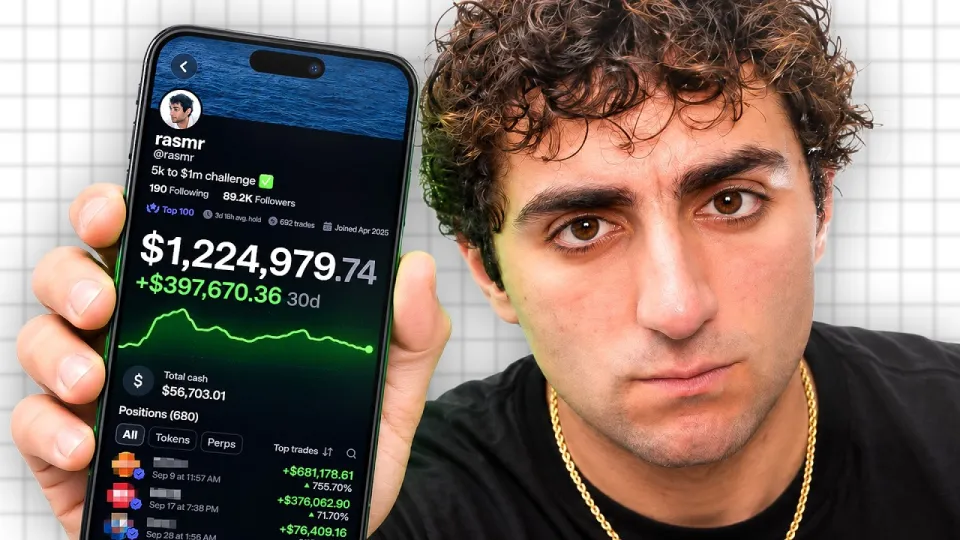
Video: 5 Years of Memecoin Knowledge in 12 Minutes
Need articles like this for your video? They help promote it on YouTube and Google — order them in the Telegram bot @sat_sit_bot. Articles with your video embedded are written and posted by the bot itself — on popular topical sites (no ads). Try it free: 50 articles on us.
· based on the channel rasmr
Key takeaways
- Meme coins are highly volatile tokens driven by narratives and community hype, not fundamentals.
- Most pumps end when early holders start selling, often around specific market cap levels.
- Emotional trading—greed and hope—is the main reason traders lose money.
- Successful meme coin trading requires discipline, small position sizes, and a clear exit plan.
- Understanding who launched a token and why (the narrative) helps gauge its potential.
A meme coin is a cryptocurrency born from internet culture, humor, or a viral trend, and its price is driven almost entirely by community sentiment and narrative rather than underlying technology. Unlike Bitcoin or Ethereum, these tokens often have no real utility, and their value can skyrocket or collapse within hours. If you're new to this space, the first step is to understand the rules of the game—and to approach it with a clear head, not emotions. For those ready to trade, platforms like FOMO offer a gateway to these markets with bonuses and tools for active traders.
What Makes a Meme Coin Different from Other Cryptocurrencies
A meme coin is defined by its lack of fundamental value and its reliance on hype; it's a social phenomenon more than a financial instrument. Bitcoin and Ethereum have large developer communities, institutional adoption, and clear use cases. Meme coins, on the other hand, often start as a joke, a meme, or a tribute to a popular figure. Their price is purely speculative, driven by the attention they receive on social media, forums, and crypto news channels. The key difference is that meme coins have no intrinsic value—their worth is whatever the next buyer is willing to pay. This makes them extremely volatile and risky, but also potentially lucrative for those who understand the dynamics.
How Narratives Drive Meme Coin Prices
A narrative is the story or theme behind a meme coin, and it's the single most important factor in its short-term price action. Narratives can be anything from a viral tweet to a celebrity endorsement, a political event, or a cultural trend. For example, a coin named after a popular dog breed might pump if that breed trends on social media. The strength of the narrative determines how many people buy in and how quickly. Successful traders pay close attention to the narrative's freshness and relevance: the earlier you spot a rising narrative, the better your chances of buying before the crowd. But narratives fade fast, so timing is critical.
Market Cap Levels and When Early Holders Sell
Market cap is a key indicator of when a meme coin might face selling pressure; early investors often take profits at round numbers like $1 million, $10 million, or $100 million. These levels act as psychological barriers. When a coin's market cap approaches a well-known milestone, early holders—who bought at much lower levels—may start to sell, triggering a price drop. Understanding these patterns can help you plan your exit. For instance, if you bought a coin at a $500,000 market cap, you might consider selling a portion when it hits $5 million, as that's a common threshold for profit-taking. Watching the market cap and trading volume can give you clues about when a reversal might occur.
The Role of Emotions in Meme Coin Trading
Emotions are the biggest enemy of meme coin traders; fear and greed lead to poor decisions like buying at the top or holding through a crash. Many traders, especially beginners, fall into the trap of hoping a losing position will recover, or getting greedy when they're already in profit and round-tripping their gains. The key is to stick to a plan: set clear entry and exit points, use stop-losses, and never let feelings dictate your trades. As one experienced trader noted, the first month of emotional trading can wipe out significant capital. Discipline and a rules-based approach are what separate consistent winners from the rest.
Common Questions from New Meme Coin Traders
New traders often ask about identifying potential rug pulls, the importance of who launched a token, and how to avoid emotional mistakes. A rug pull occurs when developers abandon a project and run off with investors' funds; signs include anonymous teams, locked liquidity, and suspicious tokenomics. Knowing who released the token—and why—can help you assess the narrative's legitimacy. Another common question is about position sizing: many start small and scale up as they gain experience. Finally, the inner circles of early buyers (sometimes called cabals) often get advance notice of launches, giving them an edge; retail traders must rely on public information and quick analysis.
Risk Management and Position Sizing for Meme Coins
Risk management is non-negotiable in meme coin trading; never invest more than you can afford to lose, and always use a trading plan with defined risk per trade. Because meme coins can go to zero, position sizing is crucial. A common rule is to risk no more than 1-2% of your portfolio on a single trade. This way, even a series of losses won't wipe you out. Additionally, consider taking profits in stages: sell a portion when you're up 50%, another at 100%, and let the rest ride with a trailing stop. This locks in gains while keeping exposure to potential upside. Remember, the goal is to survive long enough to catch the next big winner.
Useful Links
- FOMO trading platform — sign up and get bonuses for trading meme coins.
- Catalyst Trading Group on Discord — join a community of traders sharing insights and calls.
Final Thoughts
Meme coin trading is a high-risk, high-reward game that requires discipline, awareness of narratives, and strict risk management. The insights from rasmr's five years of experience highlight that emotions are the main downfall, and understanding market cap levels and narratives can give you an edge. Always start small, use stop-losses, and never invest more than you can afford to lose. For those ready to dive in, FOMO provides a platform to trade with bonuses and tools. Remember, the goal is to stay in the game long enough to profit from the next wave.
Source: 5 Years of Memecoin Knowledge in 12 Minutes · Markdown version
Questions & answers
What is a meme coin and how does it differ from Bitcoin?
A meme coin is a cryptocurrency driven by internet culture and hype, with no fundamental value or utility. Unlike Bitcoin, which has a fixed supply and institutional adoption, meme coins are highly speculative and their prices are based purely on community sentiment and narratives.
How can I avoid rug pulls when trading meme coins?
To avoid rug pulls, research the team behind the token, check if liquidity is locked, and look for signs like anonymous developers or unrealistic promises. Also, be wary of coins with a small number of holders controlling a large supply. Always do your own research and never invest more than you can afford to lose.
Why do early holders sell at certain market caps?
Early holders often sell at round market cap levels like $1 million, $10 million, or $100 million because these are psychological milestones where many traders decide to take profits. This selling pressure can cause price drops, so it's important to monitor market cap and plan your exits accordingly.
How do I control emotions when trading meme coins?
Controlling emotions requires a disciplined approach: set clear entry and exit points before you trade, use stop-loss orders, and stick to a position sizing plan. Avoid FOMO (fear of missing out) and don't let greed prevent you from taking profits. Keeping a trading journal can also help you identify emotional patterns and improve over time.